

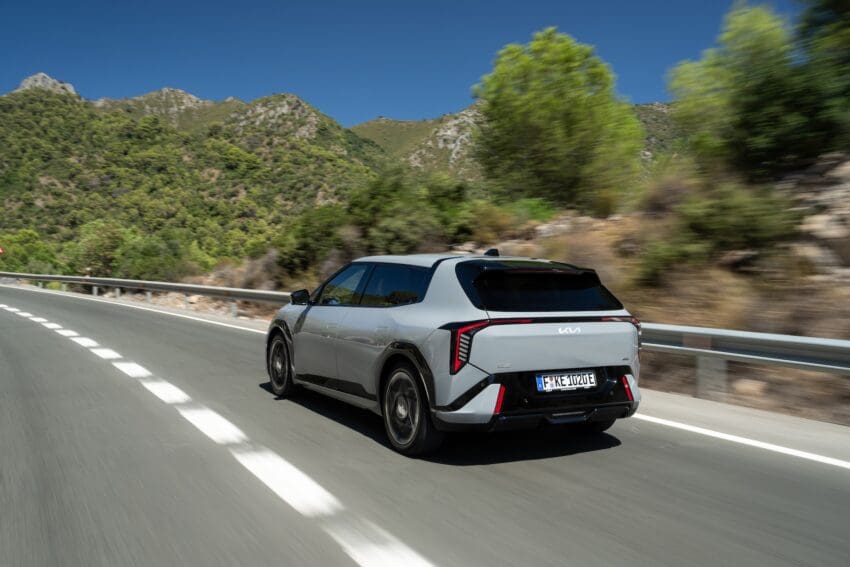
How Budget Digital Ecosystems Shape Young EV Drivers’ Behaviour in Europe
Europe’s roads are witnessing a quiet revolution, one that extends far beyond the transition from petrol to electric power.
Young electric vehicle drivers – those aged roughly between 22 and 35 – are crafting a distinctive ecosystem of habits that intertwines mobility, accessibility, minimal expenditure, and unprecedented digital engagement. Unlike previous generations of motorists, these EV owners don’t simply drive; they orchestrate an entire network of budget-conscious digital services that revolve around their vehicles. Their approach to consumption reflects a broader generational shift: prioritising value over prestige, functionality over brand loyalty, and flexibility over commitment. This cohort has grown up navigating smartphones, scrutinising subscription fees, and hunting for alternatives to expensive mainstream platforms. When they purchase or lease an electric vehicle, they bring these instincts with them, creating a new paradigm of automotive life that’s as much about digital frugality as it is about environmental consciousness.
Why Young EV Owners Seek Budget Digital Solutions
Several interconnected factors drive this pursuit of affordable digital tools. Firstly, the cost of vehicle ownership itself plays a significant role. Whilst EVs promise lower running costs compared to traditional combustion engines, the initial purchase price or lease payments remain substantial. Insurance premiums for younger drivers, particularly for electric models, can be steep. These financial pressures create a domino effect: when a considerable portion of monthly income goes towards the vehicle, there’s less available for premium digital subscriptions and services.
Secondly, the proliferation of subscription-based services has fundamentally altered how young people think about spending. Streaming platforms, cloud storage, productivity tools, fitness apps – the list grows endlessly. Each service demanding £5, £10, or £15 monthly creates what economists call “subscription fatigue.” Young EV drivers, already managing car payments and charging costs, become exceptionally selective about which digital services warrant their money. They’ve learnt to question whether they truly need Spotify Premium or whether the free version suffices, whether Netflix is essential or whether ad-supported alternatives work just as well.
Europe’s economic climate has accelerated this trend. Rising inflation throughout 2022 and 2023, coupled with increasing energy costs and the general cost-of-living crisis, has made budget consciousness not merely sensible but necessary. Young professionals and students alike have been forced to reassess their spending priorities. The popularity of cloud-based models and mobile-first services has made it easier than ever to find functional, often free alternatives to premium offerings. Mobility itself has become a lifestyle philosophy rather than simply a means of transport, with young EV owners viewing their vehicles as mobile hubs that must integrate seamlessly with their carefully curated suite of low-cost digital tools.
Navigation and Infrastructure Apps “Without the Markup”
The navigation and charging infrastructure landscape for EV drivers has spawned a thriving ecosystem of free or freemium applications that young users have enthusiastically embraced. Rather than relying solely on manufacturer-provided solutions – which often come bundled with expensive connectivity packages – savvy EV owners have discovered a wealth of alternatives that cost nothing or very little.
Apps like PlugShare and ChargeMap have become indispensable tools, offering crowdsourced information about charging station locations, availability, and reliability. These platforms thrive on community input, with users regularly updating station status, reporting faults, and sharing tips about free charging opportunities. The crowdsourcing element appeals particularly to younger drivers who’ve grown up contributing to Wikipedia, rating restaurants on Google Maps, and reviewing products on Amazon. They understand the value of collective knowledge and trust peer-generated data as much as, if not more than, official sources.
Open-source navigation platforms like OsmAnd and MAPS.ME, which utilise OpenStreetMap data, have found dedicated followings amongst budget-conscious EV owners. These apps offer offline functionality – crucial for drivers worried about mobile data costs – and customisable routing that can prioritise charging stations or energy-efficient routes. Unlike premium navigation services that might cost £50 annually or more, these alternatives require no ongoing fees beyond occasional voluntary donations.
The impact on driving behaviour has been profound. Young EV owners plan routes differently than conventional drivers, factoring in free charging locations even if they add time to journeys. They’ve become adept at identifying shopping centres offering complimentary charging whilst they browse, workplace schemes that allow top-ups during office hours, and destination chargers at restaurants or hotels. This creates a fundamentally different relationship with travel planning, where the journey becomes a strategic game of optimising both time and expenditure.
Furthermore, these apps have fostered a sense of community amongst EV drivers. Comment sections and rating systems enable users to share experiences, warn about problematic charging points, and celebrate discoveries of new free or cheap charging options. This communal aspect reinforces the budget-conscious ethos: helping fellow drivers save money becomes part of the culture.
Cloud Streaming and Low-Cost Media as Part of EV Routines
The unique temporal patterns of EV ownership have created specific media consumption habits. Unlike traditional refuelling, which takes mere minutes, charging an electric vehicle – particularly on longer journeys using public infrastructure – can require anywhere from 20 minutes to over an hour. This enforced waiting time has transformed how young drivers engage with entertainment and information services.
Free streaming packages have become the norm rather than the exception. YouTube, with its ad-supported model, serves as the primary entertainment source for many young EV owners during charging stops. The platform’s vast library costs nothing beyond data – and many charging locations offer free Wi-Fi – making it an ideal companion for vehicle downtime. BBC Sounds, similarly, provides cost-free access to radio, podcasts, and music for UK-based drivers, eliminating the need for premium subscriptions.
When young EV owners do opt for paid services, they gravitate towards economy tiers. Spotify’s free version, with its advertisements and limited skips, proves sufficient for many. Those willing to pay often share family plans amongst friends to split costs, reducing individual expenditure to £2-3 monthly. Similarly, streaming video services like Netflix or Disney+ are frequently accessed through shared accounts or during promotional periods offering reduced rates.
Short-form content has proven particularly well-suited to the EV charging routine. TikTok, Instagram Reels, and YouTube Shorts deliver entertainment in digestible bursts that align perfectly with the typical fast-charging stop. Rather than committing to a 45-minute television episode that might be interrupted when charging completes, young drivers can consume dozens of bite-sized videos, adjusting their viewing to match exactly how long they need to wait.
Podcasts have experienced a renaissance amongst EV drivers, partly because they’re predominantly free and partly because they offer flexibility. A charging stop can accommodate exactly two podcast episodes, or half of a longer discussion programme, with drivers simply pausing and resuming during subsequent journeys. The intimacy of podcast listening suits the private, contemplative space of a parked vehicle, and the minimal bandwidth requirements mean streaming doesn’t rapidly deplete mobile data allowances.
The cost sensitivity extends to audiobook consumption as well. Rather than purchasing books through Audible’s credit system, young EV owners have discovered library apps like Libby or BorrowBox, which provide free audiobook lending through public library systems. This approach aligns perfectly with the broader philosophy: why pay £7.99 monthly when your existing council tax already funds an excellent alternative?
Micro-Gaming Platforms and Digital Entertainment with Minimal Costs
The gaming habits of young EV drivers reflect their broader budget-conscious approach to digital consumption. Rather than investing in expensive console games or high-end PC gaming setups that might cost £50-70 per title, this demographic gravitates towards casual mobile games, free-to-play platforms, and services offering entertainment at minimal cost.
Puzzle games like Wordle, Connections, and various match-three titles dominate charging stop gaming sessions. These games require no upfront payment, offer quick gameplay sessions that fit charging timeframes perfectly, and provide sufficient engagement without demanding the sustained attention that complex RPGs or strategy games require. The social element – sharing scores, competing with friends – adds value without adding cost.
Cloud gaming services such as Xbox Cloud Gaming (included with Game Pass Ultimate) or GeForce Now’s free tier have found audiences amongst EV owners who want access to quality games without the investment in dedicated hardware. The free tier of GeForce Now, whilst limited to one-hour sessions, proves adequate for charging stop entertainment. These services transform the smartphone or tablet into a gaming device capable of running titles that would otherwise require expensive equipment.
The broader trend towards low-budget digital consumption has expanded into various forms of online entertainment. Young consumers increasingly seek out platforms offering entertainment at entry-level price points, exploring digital spaces that provide engagement without substantial financial commitment. This has led to growing interest in accessible micro-platforms, including services like 5 pounds casinos not on GamStop, which are often discussed in the context of affordable digital entertainment options. Such platforms reflect the wider appetite for low-stakes, budget-friendly digital experiences that align with the financial priorities of this generation.
Social gaming apps like Among Us, Fall Guys (now free-to-play), or Fortnite exemplify the economics young EV drivers prefer: free to download, free to play, with entirely optional cosmetic purchases. Players can enjoy hundreds of hours of entertainment without spending anything, and those who do choose to purchase items do so on their own terms, when budget allows.
The mobile gaming ecosystem’s ad-supported model has become normalised amongst this cohort. Watching a 30-second advertisement in exchange for an extra life or bonus content seems a fair trade when the alternative is paying several pounds upfront. This willingness to exchange attention for access represents a generational shift in how value is calculated.
Fintech and Everyday Payments: Why Young People Choose Cheap Mobile Solutions
The financial technology sector has been revolutionised by young consumers’ demands for low-cost, transparent, mobile-first banking solutions, and EV drivers exemplify this transformation. Traditional banks, with their monthly fees, foreign transaction charges, and opaque pricing structures, have lost considerable ground to neobanks and fintech startups offering radically simplified services.
Mobile wallets like Revolut, Monzo, and Starling Bank dominate amongst young EV owners. These platforms typically offer free current accounts with no monthly fees, real-time spending notifications, and integrated budgeting tools. The absence of charges for basic banking represents significant savings compared to traditional banks, which might charge £5-15 monthly for similar accounts.
The connection to electric mobility runs deeper than mere preference for digital services. Charging infrastructure payments have become a particular pain point, with different networks requiring different apps, cards, or accounts. Young drivers have gravitated towards fintech solutions that aggregate payment methods, enable contactless transactions across multiple networks, and provide clear breakdowns of charging expenditure. Revolut’s multi-currency accounts, for instance, prove valuable for those making cross-border trips within Europe, eliminating foreign transaction fees that traditional banks would impose.
Peer-to-peer payment services integrated into these fintech platforms facilitate the cost-sharing arrangements common amongst young people. When friends travel together and share charging costs, splitting expenses through Monzo takes seconds and costs nothing, unlike bank transfers which some traditional institutions still charge for. This seamless integration of social and financial transactions aligns perfectly with how this generation approaches money.
Low-fee international transfers matter particularly for young Europeans who may work in one country whilst maintaining financial ties to another, or for students studying abroad. Services like Wise (formerly TransferWise) offer currency exchange at near-interbank rates with minimal fees, typically saving users 3-5% compared to traditional banks. These savings accumulate significantly over time, freeing up resources for other priorities.
The broader ecosystem of budget financial services extends to parking payments, congestion charges, and toll roads – all routine expenses for drivers. Apps like PayByPhone, JustPark, and RingGo have replaced coins and parking metres, offering small conveniences (digital reminders, extended parking from your phone) whilst typically charging minimal transaction fees or none at all. This digitisation of mundane expenses fits naturally into young EV drivers’ preference for managing everything through their smartphones.
Buy-now-pay-later services, whilst controversial, have also found users amongst this demographic for larger automotive expenses. When faced with an unexpected repair bill or the need to purchase a home charging unit, services like Klarna allow payments to be spread across several months without interest, provided instalments are met on time. Used responsibly, these tools provide financial flexibility that helps manage the lumpy expenditure patterns associated with vehicle ownership.
The EV as Centre of a Personal Digital Universe
Modern electric vehicles have evolved far beyond mere transportation devices; they’ve become sophisticated digital hubs that young owners use to orchestrate their connected lives. This transformation reflects both technological advancement and changing consumer expectations about what a vehicle should provide.
Smartphone integration forms the foundation of this digital ecosystem. Both Apple CarPlay and Android Auto have become standard features in most new EVs, allowing seamless connection between phone and vehicle. Young drivers expect to access their entire suite of apps through the car’s display: navigation from Google Maps or Waze, music from Spotify or YouTube Music, podcasts from their preferred platform, and messaging via voice commands. The vehicle becomes an extension of the phone rather than a separate system requiring its own subscriptions and services.
Driver profiles, increasingly common in electric vehicles, enable personalisation that goes beyond seat positions and mirror angles. These profiles can store preferences for climate control, preferred navigation apps, frequently visited destinations, and even which home charging schedule to follow based on electricity tariff rates. For young drivers sharing vehicles with partners or family members, this functionality eliminates the friction of constantly adjusting settings, making the car feel truly personal despite shared ownership.
The proliferation of vehicle-specific apps – Tesla’s being the most famous but by no means unique – provides remote functionality that young owners have rapidly adopted. Preheating or cooling the cabin before departure, checking charge status from home, locating the vehicle in a crowded car park, or monitoring energy consumption – all of these features can be accessed through free manufacturer apps. This remote connectivity transforms the relationship between driver and vehicle, creating a persistent digital connection even when physically separated.
Young EV drivers have discovered creative ways to leverage their vehicles’ digital capabilities with free or cheap services. Many use their cars as mobile offices during lunch breaks, accessing work systems through phone hotspots whilst enjoying climate control powered by the battery. Others utilise the vehicle as a media centre for outdoor activities: parking at a beach or scenic location, connecting a laptop via inverter, and streaming content on the car’s display for impromptu film screenings. The large battery capacity of EVs makes these uses practical in ways that would be impossible with combustion vehicles, where running the engine for extended periods wastes fuel and generates pollution.
Voice assistants integrated into vehicles have become genuinely useful tools rather than novelties. Young drivers use voice commands to send messages without taking hands off the wheel, request navigation to saved locations, adjust music or podcasts, and even control smart home devices (turning on heating before arrival, for instance). The key appeal lies in functionality without additional cost – these features typically work through existing phone assistants rather than requiring separate vehicle-specific subscriptions.
The vehicle’s role as a digital hub extends to energy management, an area where young owners demonstrate particular sophistication. Apps tracking electricity prices allow users to schedule charging during off-peak hours when rates plummet, sometimes to as low as 5p per kWh. Some owners participate in vehicle-to-grid schemes, earning modest payments by allowing energy companies to draw power from their batteries during peak demand periods. These digital tools transform the EV from a pure cost centre into something that can, in small ways, generate returns.
The Socio-Economic Effect: How Budget Ecosystems Are Changing Europe’s Markets
The collective behaviour of budget-conscious young EV drivers is creating ripple effects across multiple industries, forcing established players to adapt and creating opportunities for nimble newcomers. This shift represents more than a simple preference for cheaper options; it signals a fundamental restructuring of how digital services are valued and delivered.
Automotive manufacturers have begun recognising that the traditional model – selling the vehicle as a discrete product – no longer suffices for younger buyers. Companies like Polestar, Volkswagen, and BMW have developed companion apps offering genuinely useful free features rather than treating software as an additional profit centre. This marks a departure from earlier approaches where manufacturers attempted to charge monthly subscriptions for basic features like remote start or enhanced navigation. Young consumers simply refused to pay these fees, instead using smartphone alternatives, forcing manufacturers to recalibrate their strategies.
The charging infrastructure sector has experienced particularly dramatic evolution. Network operators initially envisioned a landscape similar to petrol stations: proprietary locations requiring specific memberships or payment cards. Young EV drivers rejected this model, instead preferring interoperable solutions allowing payment at any station through a single app or contactless bank card. Companies that embraced open payment standards have thrived, whilst those clinging to closed ecosystems have struggled. The emergence of aggregator apps like Zap-Map and Chargemap, which provide unified access to multiple networks, demonstrates market response to user demand for simplicity and affordability.
Digital entertainment platforms are discovering that traditional subscription models face resistance from this demographic. The success of ad-supported tiers on services like Spotify, YouTube, and increasingly video streaming platforms reflects adaptation to consumer preferences. Rather than losing young customers entirely to piracy or abandonment, platforms are learning to monetise through advertising whilst maintaining free access to content. This represents a return, in some ways, to broadcast television’s economic model, updated for the streaming era.
Financial services have been utterly transformed by fintech disruption, with traditional banks hemorrhaging young customers to neobanks offering superior services at zero cost. Established institutions are belatedly responding with their own no-fee digital offerings and improved apps, but they face the challenge of legacy systems and cost structures that make competing with lean fintech startups difficult. The integration of payment systems with other services – ride-sharing, public transport, charging networks – increasingly happens through fintech platforms rather than traditional banks, further marginalising the latter.
Retail and hospitality sectors have adjusted to EV drivers’ habits, installing charging infrastructure partly as amenity but increasingly as a tool for influencing consumer behaviour. Supermarkets offering free charging understand that a 30-minute top-up session creates shopping opportunities. Restaurants and cafés with destination chargers attract customers who need to wait whilst their vehicles charge. This represents a subtle shift in competitive dynamics where automotive infrastructure becomes a differentiator in entirely unrelated industries.
The transition from “premium platforms” to what might be called “platform microcosms” reflects changing attitudes about digital services. Rather than one or two comprehensive paid platforms providing everything a user needs, young people assemble personalised ecosystems of specialised free or cheap services. They might use YouTube for music videos, Spotify’s free tier for curated playlists, BBC Sounds for radio drama, and SoundCloud for emerging artists – together providing everything a single £10 monthly subscription would offer, but at zero cost and with greater diversity. This fragmented approach challenges businesses built around the idea that consumers will pay for convenient all-in-one solutions.
Advertising models have necessarily evolved to accommodate ad-supported free services. Young consumers demonstrate greater tolerance for advertisements than might be assumed, provided the exchange feels fair and the ads aren’t excessively intrusive. This has spurred innovation in advertising formats: skippable video ads, native content integration, brief interruptions between songs rather than intrusive pop-ups. The challenge for platforms lies in balancing advertiser needs with user experience sufficiently well that users choose free ad-supported tiers over either paid subscriptions or abandoning the service entirely.
Digital Economy as the New Standard for the Young EV Generation
The convergence of electric vehicle adoption and budget-conscious digital consumption amongst young Europeans represents more than a temporary response to economic pressures. It signals a generational reorientation around questions of value, utility, and how technology should integrate into daily life. These drivers have demonstrated that premium needn’t mean paid, that free services can deliver quality experiences, and that careful curation of digital tools can provide everything needed at minimal cost.
The trend appears set to strengthen rather than diminish throughout 2026-2030. Economic forecasts suggest continued financial pressure on younger demographics, who face challenges from student debt, stagnant wage growth relative to living costs, and expensive housing markets. Simultaneously, the expansion of EV infrastructure and improving battery technology will make electric vehicles increasingly accessible to younger buyers, expanding the cohort of tech-savvy, budget-conscious drivers.
Businesses across sectors face a choice: adapt to this new reality or risk irrelevance amongst an entire generation. Those offering genuine value without excessive cost, those providing transparency in pricing, and those integrating seamlessly with users’ existing digital ecosystems will prosper. Those clinging to outdated models predicated on captive customers or premium pricing for basic features will struggle.
For young EV drivers themselves, the future looks bright. As competition intensifies for their attention and custom, services will improve whilst costs remain low. The skills developed in assembling personal digital ecosystems – critical evaluation of services, strategic adoption of free alternatives, creative problem-solving when premium solutions seem unaffordable – serve them well beyond automotive contexts. They’ve become digital natives not just in using technology but in navigating its commercial landscape shrewdly and effectively.
The electric vehicle, in this context, serves as more than an environmentally friendly mode of transport. It becomes the physical manifestation of a broader philosophy: that technology should serve users, that quality need not require premium expenditure, and that individual empowerment comes from making informed choices about which services deserve financial support and which free alternatives work just as well. This generation isn’t simply driving electric; they’re driving change across the entire digital economy, one charging session at a time.