

Digital tools shaping the future of retail deliveries
The rise of e-commerce and changing consumer expectations have made the last mile of retail deliveries more important than ever.
Retailers are investing heavily in innovative solutions for logistics and customer experience. Among these, vehicle tracking systems have emerged as a critical digital tool, supporting real-time transparency and improved efficiency across delivery fleets. But this is just the beginning: digital transformation is impacting every aspect of retail logistics.
Telematics and the intelligent retail fleet
At the core of the modern delivery ecosystem are advanced fleet management platforms, driven by telematics technology. These solutions enable retailers and logistics providers to monitor vehicle performance, driver behaviour, and route efficiency in real-time. With instant access to data, managers can optimise delivery schedules, reduce downtime, and minimise fuel consumption. This not only leads to cost savings, but also helps businesses meet the increasing demand for fast, reliable, and sustainable deliveries.
Additionally, telematics plays a key role in supporting drivers, offering navigation assistance, maintenance alerts, and even live feedback on driving styles. By integrating telematics with other supply chain systems, it becomes possible to anticipate bottlenecks and rapidly respond to unexpected disruptions, such as traffic incidents or severe weather events. The insights provided by these platforms empower companies to make data-driven decisions that improve operations from dispatch to completion.
AI, automation, and smart routing
Artificial intelligence and automation are revolutionising how deliveries are planned, managed, and executed. AI-powered algorithms can process vast amounts of data to determine the most efficient delivery routes, taking into account factors like traffic conditions, delivery windows, and vehicle capabilities. By automating route planning and dynamic scheduling, retailers can respond to fluctuations in demand and optimise their resource use, reducing wasted miles and emissions.
Smart routing not only benefits retailers but also consumers, ensuring prompt and accurate deliveries. Advanced notification systems provide customers with real-time updates, estimated arrival times, and easy options to reschedule or reroute deliveries. Automation is further streamlining warehouse operations as well, with robotic sorting and packaging reducing errors and accelerating order fulfilment. The use of AI and automation collectively leads to a smoother, more predictable retail delivery experience for all stakeholders involved.
Electric vehicles and sustainable deliveries
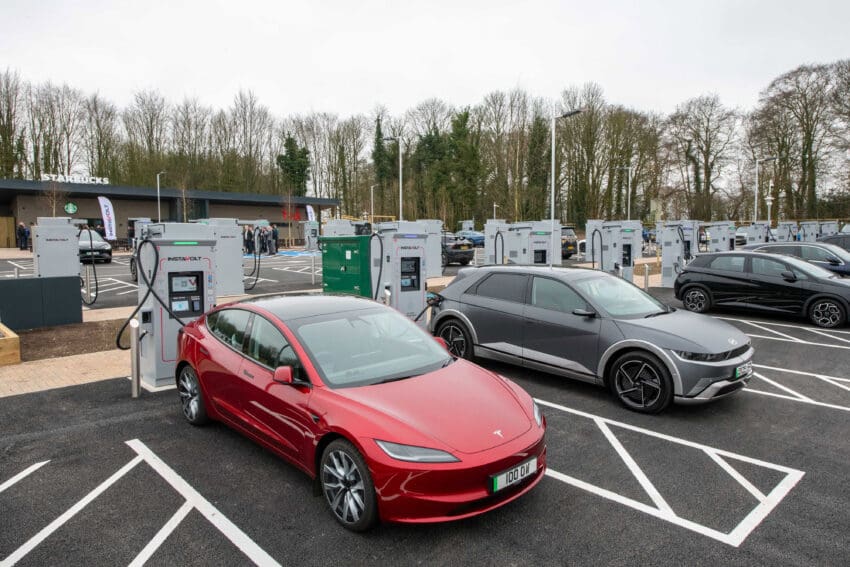
As environmental concerns grow, retailers are increasingly embracing electric vehicles (EVs) in their delivery fleets. EV adoption aligns with wider sustainability strategies while meeting regulatory requirements and responding to growing consumer preferences for eco-friendly delivery options. Digital tools are essential in managing the unique needs of electric vehicles: helping plan charging schedules, identify suitable charging infrastructure along delivery routes, and monitor vehicle range in real time.
Furthermore, analytics derived from digital fleet management platforms enable businesses to evaluate the impact of electrification efforts, from carbon footprint reduction to operational efficiency gains. Performance data can inform future investment decisions, ensuring that sustainability initiatives support practical delivery needs. The integration of EV management software with telematics and routing platforms is helping accelerate the transition to low-emission last-mile delivery solutions.
Enhanced customer experiences through delivery apps
Mobile technology has transformed how customers interact with delivery services. Dedicated delivery apps allow for direct communication between recipients and drivers, seamless order tracking, and rapid issue resolution. These digital tools give customers unprecedented visibility over their orders, contributing to higher satisfaction rates and improved brand loyalty.
In addition, customer feedback collected through mobile platforms enables retailers to assess and swiftly address pain points in the delivery process. Digital signatures, contactless proof of delivery, and detailed notifications represent further advancements that enhance both security and convenience for shoppers. As digital innovation continues to develop, the customer-facing aspect of retail deliveries will only become more sophisticated, personal, and responsive to evolving needs.
Data security and the future of connected deliveries
The future of retail deliveries will be defined by ever-increasing connectivity and data generation. With this evolution, data security has become a top priority. Modern digital tools must ensure that sensitive customer and company information remains protected across all platforms: from mobile apps to telematics databases. Comprehensive cybersecurity strategies are vital as more vehicles, devices, and users become part of an interconnected supply chain.
Looking ahead, as retailers adopt new technologies such as autonomous vehicles, drone deliveries, and advanced analytics, securing digital infrastructure will be essential for maintaining trust. Data protection measures will underpin innovation, allowing businesses to leverage connected tools confidently while safeguarding stakeholder interests. In this dynamic landscape, digital transformation will continue to shape the future of retail deliveries, driving progress for years to come.