

Fuse Energy scraps ‘UK’s cheapest EV home charging tariff’ after just two months
Renewable energy supplier Fuse Energy has dropped the UK’s cheapest home energy tariff mere months after launching it.
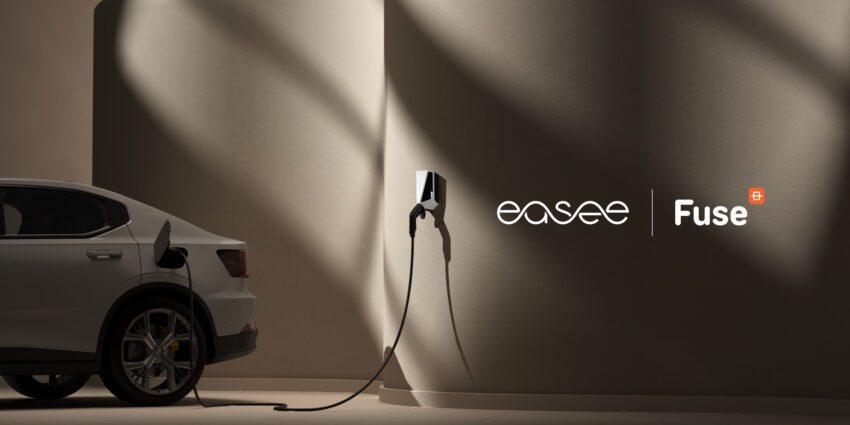
The home energy supplier announced in late July that it was partnering with charger maker Easee to introduce an off-peak rate of just 5p/kWh. The ultra-cheap offer made it the country’s lowest-priced home charging tariff and undercut the next closest offer by nearly 2p per kWh.
Offered during off-peak hours, the tariff meant drivers could add an estimated 100 miles of range for just £1.25. However, Fuse Energy has now updated its off-peak rate, tripling the cost to 15p/kWh less than two months after first launching the deal.
The move makes it one of the most expensive off-peak EV tariffs on the market. You can read our breakdown of the cheapest and best EV tariffs currently on offer here.
Fuse says that while it has significantly increased its off-peak rate, it has “greatly reduced” its peak rate to around 20p/kWh – 5.7p lower than the UK standard variable rate.
It says it has also simplified its off-peak hours to allow customers to use electricity for the whole home at the lower rate. Previously, the 5p/kWh rate was applied for five hours at randomised times between 9pm and 7am. Now, Fuse has locked its off-peak hours to a fixed five-hour period overnight, allow customers to plan to run appliances such as dishwashers and washing machines when energy is cheaper.
Recent research by Easee found that UK drivers are wasting a collective £168 million a year by not taking advantage of off-peak rates. It found that more than a quarter (28%) of the UK’s 1.6m electric vehicles are regularly charged during on-peak hours, when energy is at its most expensive. Based on average off-peak tariffs and a variety of mileages, the charger maker estimates than owners could save between £268 and £372 per year by switching their charging to an off-peak tariff and time.