

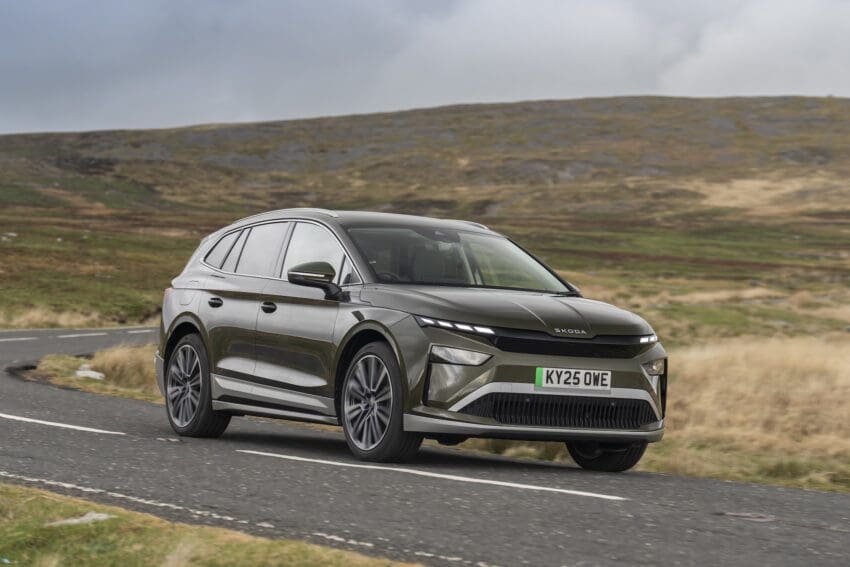
How Consumer Expectations for Seamless Tech Experiences Shape the EV Industry
People expect more from technology than ever before. It needs to work quickly, feel simple, and respond as they anticipate. No one likes spending time navigating a system, especially when smoother alternatives exist.
This mindset now influences how people choose and use electric vehicles (EVs). It is no longer just about driving range or charging speed. The entire experience, from the dashboard to the app, shapes how consumers perceive EV brands.
To remain competitive, car makers must treat every touchpoint as part of the product. Drivers want technology that works immediately, is intuitive, and does not interfere with the driving experience. This shift in expectations is pushing the EV industry to evolve.
EV Apps and Tools Must Work Smoothly
Apps are now integral to the driving experience, as owners use them daily to check battery levels, start charging, adjust climate controls, and plan routes. These tools are essential and must perform reliably every time.
Even locating a charger should take only a few taps, with no delays or guesswork. People will not continue using clunky software when better-designed alternatives exist.
This expectation mirrors how users interact with digital casino platforms. On these sites, people expect fast loading, straightforward navigation, and responsive controls. That same mindset applies to vehicle apps. If the technology feels outdated or slow, users quickly lose patience, regardless of the vehicle’s performance.
Features such as remote lock control, live support, and service notifications depend entirely on the app’s performance. Brands that maintain fast, clean, and bug-free tools earn greater long-term trust.
In-Car Tech Should Be Easy to Use
Most people spend hours behind the wheel each week, so the dashboard must be intuitive and easy to navigate. Drivers want to see essential information without having to dig through menus or tap endlessly on screens. Frustration arises when controls are hard to reach or when labels are unclear.
Touchscreens that freeze, volume controls buried under multiple taps, or maps that lag are the issues users remember. They expect systems to respond as reliably as their phones or tablets.
More EVs now offer voice commands, shortcut buttons, and customisable screens to help drivers focus on the road. These features are practical only if they are consistent and easy to learn. Users should not need training to operate them. Familiar and natural technology integrates seamlessly into the driving experience.
A good example is how Tesla, Hyundai, and Ford have refined their interfaces to align with everyday tech habits. These systems prioritise layout and speed, creating a superior user experience without added complexity.
Manufacturers are also experimenting with predictive interfaces that anticipate driver needs, such as suggesting charging stations before the battery runs low or pre-setting climate controls based on routine schedules. This proactive approach helps reduce stress and improve overall satisfaction.
Drivers Want Clear, Simple Information
Understanding a vehicle should never be confusing. Drivers need clear information about range, charging locations, and maintenance alerts. It should be delivered simply, without codes or vague warnings.
Some car brands rely on technical language, which may impress experts but alienates everyday users. The average driver does not want to decode a “Battery Management System Fault” message; they want a concise explanation with clear next steps.
Simple icons, readable fonts, and concise alerts significantly improve the user experience. Some brands use coloured symbols or short on-screen tips for common issues. Others offer live chat support via the vehicle’s app, minimising time spent guessing.
Clear communication builds trust. When drivers understand what is happening, they feel more confident using the vehicle’s technology, even in unexpected situations.
Tech That Works Every Time Builds Trust
No one wants a car that “usually works.” Every system, from navigation to climate control, must perform consistently. Even a minor failure can impact how people view the entire product.
People do not want to restart the dashboard or troubleshoot software glitches. A minor bug may seem trivial, but during stressful situations or poor weather, it significantly affects perception. These experiences shape the vehicle’s perceived reliability.
That is why more car brands focus on over-the-air updates, stronger app support, and tighter system integration. Regular updates resolve issues without requiring a trip to the dealership, which is valuable for busy drivers.
When all systems work seamlessly—apps, screens, controls—users stop focusing on the technology itself. That is when the experience feels right.
People Expect Smooth Tech Everywhere
Years ago, cars were judged solely by how they drove. Now, users assess them based on technology performance. If a phone, smart speaker, and streaming service all operate smoothly, drivers expect the same level of performance from their vehicles.
This shift affects EV system design. In-car technology can no longer be treated as a separate entity from other devices. Everything must feel part of the same ecosystem.
Offering high-performance features is insufficient if they are confusing or unreliable. Driving range matters, but so does how easily someone can locate a charger or check tyre pressure via an app.
As consumers become accustomed to well-designed tools across their daily lives, the tolerance for errors in EV technology decreases. They now expect a fully integrated experience that functions flawlessly every time, enhancing both convenience and confidence.
Final Words
Drivers today want more than a good car. Moreso, they want a complete experience. From the mobile app to the in-car screen, every interaction matters. Technology that feels smooth, precise, and reliable builds trust without words. This is how the EV industry meets users’ true expectations.