


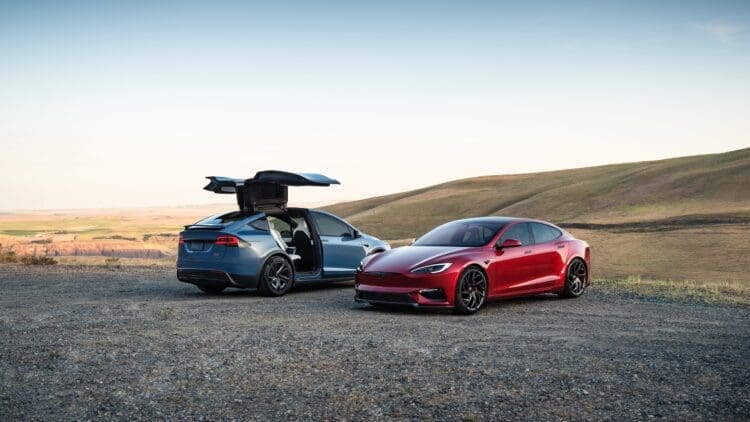

The Tesla Model X has been declared the UK’s most unreliable EV in new data from a leading warranty provider.
The US firm’s flagship SUV scored just 1.1 out of 10 in the MotorEasy Reliability Index, making it among the least dependable cars of any fuel type.
The seven-seater, famous for its “Falcon” doors, party mode and ludicrous performance ranked 423rd out of 428 vehicles for the number of repairs and 306th for repair costs.
The MotorEasy data is based on real-world warranty claims paid out by the car management and aftermarket warranty provider, and examines repair frequency and costs along with common faults across makes and individual models.
The index was bad news for Tesla with its Model S and Model 3 also featuring in the list of the 10 least reliable electric cars. The Model S was second in the list of shame with the large executive saloon scoring just 1.4 out of 10. The Model 3 – previously Britain’s best-selling EV – meanwhile ranked sixth, with a more respectable score of 6.6.
While the Hyundai Ioniq(7), Volkswagen ID.4 (7.2) and Peugeot E-208 (7.3) also appeared in the final three spots of the list, the rest of the table was taken up by premium brands. Porsche’s Taycan (2.6), the Jaguar I-Pace (4.9), the original Audi e-tron (6.3) and the original BMW i3 (7) all appeared.
It wasn’t all bad news for EVs, however, with four out of the 10 still scoring 7 out of 10 or more in the index.
It’s important to note that most electric cars are still relatively new and covered by a manufacturer warranty, so don’t appear on MotorEasy’s list. The MotorEasy table is likely to change in coming years as a wider range of models enter the third-party warranty market.
Duncan McClure Fisher, founder and CEO of MotorEasy, said that while many of the cars on the current list are no longer on sale, they are among popular options on the secondhand market, making it essential for buyers to arm themselves with as much knowledge as possible.
He commented: “Drivers rightly focus on the price of a car, the cost of charging and, from 2028, the cost of tax per mile. But repair bills can make just as big a difference to what an electric car really costs to run, especially once it is out of the manufacturer’s warranty.
“Our data shows there is a big gap between the best and worst and some premium models have proved costly to keep on the road. Now that our Reliability Index ranks cars by fuel type, anyone thinking about switching to electric, particularly on the used market, can see exactly how the models they are considering compare.”
MotorEasy’s tips for EV buyers
- Check the reliability score of the specific model, not just the brand.
- Ask for a battery health report. The battery is the most expensive component of an electric car, so make sure you know its condition.
- Check how much of the manufacturer’s warranty remains, including any separate battery warranty, which is often longer than the main vehicle warranty.
- Look for a full service history, including any software updates and recall work.
- Budget for repairs once the warranty ends or consider extended warranty cover.
- Factor in all the running costs, including pay-per-mile tax from April 2028 and where you will charge, as charging at home is usually cheaper than using public chargers.


