
Government considering EV pay-per-mile tax
Drivers of electric cars could be hit with a pay-per-mile tax in this year’s Budget, as the Government struggles to balance falling fuel duty income.
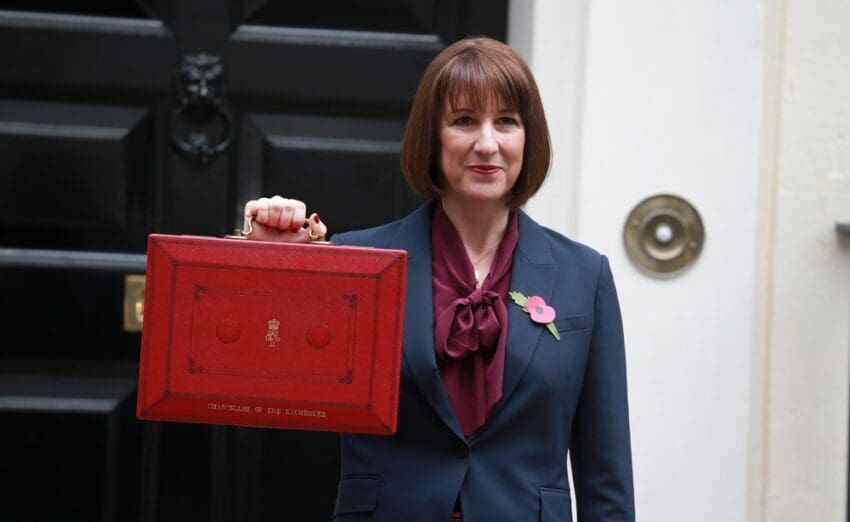
According to the Telegraph, Chancellor Rachel Reeves is considering announcing a new 3p per mile levy on EV drivers during her Budget speech on November 26.
If accurate, the report suggests the scheme would come into effect in 2028 following a consultation period.
A government spokesperson told the BBC that it was looking at ways to create a fairer system for all drivers.
An EV pay-per-mile scheme is also a way for the Treasury to address the growing gap in income as fuel duty receipts drop.
As more drivers go electric, income from the 52.95p-per-litre tax on petrol and diesel is declining. The Treasury currently draws in around £25 billion per year in fuel duty but it estimates that this will have fallen by £12bn a year by 2040.
The government spokesperson told the BBC: “Fuel duty covers petrol and diesel, but there’s no equivalent for electric vehicles. We want a fairer system for all drivers.”
How would an EV pay-per-mile tax work?
According to the speculation, the new tax would cost the average EV driver an additional £250 per year and raise around £1.8bn per year by 2031.
It comes after EVs’ exemption from vehicle excise duty (road tax) ended this year, leaving most EV drivers with an additional £195 tax bill each year.


It is understood that drivers will be asked to estimate their annual mileage and pay accordingly at the same time as they tax their car, based on the 3p per mile charge. If, at the end of the year, they have driven less than expected, the excess mileage will carry over to the following year. If they have driven more then they will pay the outstanding amount.
The estimate approach is seen as a quicker, less controversial method than previously discussed electronic tracking. It is not clear how drivers will have to prove their annual mileage.
‘Mixed messaging’
Tanya Sinclair, CEO of lobby group Electric Vehicles UK, said that the current vehicle tax system needed to change but urged the Government to approach it carefully.
She told EV Powered: “Pay-per-mile road pricing has resurfaced many times, and with reason. Today’s vehicle parc looks nothing like it did when emissions-based VED was introduced. There’s no doubt the system needs fundamental reform.
“The real question is how. Government must take the time to consult properly, design carefully and communicate transparently, a process that will take years, not months.
“In the meantime, it should stop fuelling speculation. Rumours about pay-per-mile only unsettle drivers and risk slowing the very market we need to grow.”


Ginny Buckley, chief executive of EV advice site Electrifying, said the government was sending mixed messages that could damage its own EV ambitions.
She said: “Drivers are being encouraged to go electric, then hit with the threat of new taxes – you can’t drive the EV transition with one foot on the accelerator and the other on the brake.
“This adds extra cost for EV drivers who can’t charge at home and already pay more per mile on public chargers than many petrol drivers. It also penalises those who switched in good faith, based on promised savings.
“If the government introduces this, it must also unfreeze fuel duty – which hasn’t risen with inflation for over 14 years – to keep things fair as the transition continues.”
Her views were echoed by Melanie Lane, Chief Executive at charging provider Pod, who commented: “Yesterday’s EV registration figures showed positive momentum and a clear signal that investment and incentives are working. We urged government to reward, not punish, those making the switch – yet today’s pay-per-mile EV tax proposals risk doing exactly that.
“It’s another example of policy that isn’t joined up: feeding with one hand while taking away with the other. This move undermines both the government’s own EV transition goals and driver confidence, just as adoption is accelerating.”
The government’s spokesperson said it still supported the transition to EVs, noting: “We want a fairer system for all drivers whilst backing the transition to electric vehicles.
“We will look at further support measures to make owning electric vehicles more convenient and more affordable.”