
Budget 2026: Pay-per-mile tax for EVs and more cash for discounts
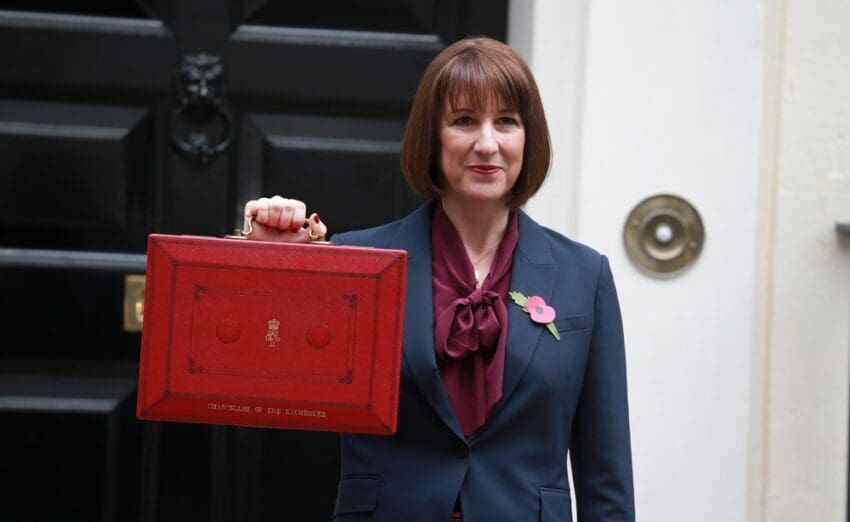
EV drivers will be hit with a pay-per-mile tax from 2028 as part of measures announced by Chancellor Rachel Reeves in her 2026 Budget.
Motorists will pay 3p per mile on top of existing taxes as the Government looks to plug the black hole in fuel duty revenue caused by the rise in electric cars.
The plans were leaked ahead of Ms Reeves official statement after the Office for Budget Responsibility mistakenly published its forecast early.
In its report, the OBR revealed details of the planned new tax and predicted it could lead to 440,000 fewer EV sales between 2026 and 2030 as a result of higher running costs.
In her Budget statement, the Chancellor told MPs: “Because all cars contribute to the wear and tear on our roads, I will ensure that drivers are taxed according to how much they drive and not just by the type of car they own by introducing the Electric Vehicle Excise Duty on electric cars.”
She explained: “This will be payable each year alongside Vehicle Excise Duty [VED] at 3p per mile for electric cars and 1.5p for plug-in hybrids.”
The OBR report that the charge will be set at 3p per mile for pure EVs in 2028-29 and then rise annually in line with CPI.


The OBR says the move will cost an EV driver covering 8,500 miles an additional £255 per year, roughly equivalent to half of what petrol and diesel drivers pay per mile via fuel duty. The new tax will come on top of the £195 per year vehicle excise duty introduced on EVs early this year.
The new charges are expected to raise £1.1 billion in 2028-29, rising to £1.9bn in 2030-31. By 2050, when around 90% of all cars on the road are expected to be electric, this will rise to £7bn per year. The OBR estimates that the new levy on EVs will offset around a quarter of the losses from declining fuel duty between now and 2050.
Expensive Car Supplement changes
At the same time as hitting EV owners with higher running costs, the Chancellor confirmed tax changes and additional funding to persuade more drivers to go electric.Among additional measures on EVs, she confirmed that the Expensive Car Supplement threshold on EVs would rise from its current £40,000 to £50,000. This reflects the fact that the average EV price is still higher than for an equivalent petrol or diesel, leaving many regular family cars liable for the so-called “luxury car tax”. 

The OBR said it expected these measures to offset around 130,000 of the predicted lost sales caused by the pay-per-mile tax.
‘Drivers at a fork in the road’
The AA said that the Budget, which also extended the fuel duty freeze for another year, left drivers “at a fork in the road” and could create “nervousness” among drivers about the cost and implementation of a pay-per-mile scheme.
AA president Edmund King said: “Drivers fully understand that the Government needs to get the balance right between raising cash for roads investment, whilst ensuring it doesn’t slow down the transition to electric cars in order to meet environmental targets.
“Getting the timing right is crucial, and there will be concerns that should pay-per-mile for EVs be introduced too soon it may slow down the switch to electric cars.
“Drivers will naturally have questions about such a scheme, which is why the AA will lead the charge for a fair and transparent system which is easy to understand. We will also need protections for certain groups, like carers who use their car for work and rural drivers who are more car-dependent.”
‘Government sending mixed signals’
Many in the automotive industry have warned against a pay-per-mile tax on EVs, echoing the OBR’s warning that it will deter drivers from switching to EVs and slow the UK’s transition. Prior to the statement, the SMMT warned it would cause “severe damage” to the car industry and would “wipe out” the benefits brought by the ECG. Reacting to the Budget announcement, Mike Hawes, chief executive of the SMMT, said: “Changes to the expensive car supplement are welcome, as is the additional £1.3 billion funding for the Electric Car Grant and support for charging infrastructure. “These will help, but will not offset the impact of introducing a new electric-Vehicle Excise Duty – the wrong measure at the wrong time.“With even the OBR warning this new tax will undermine demand, government must work with industry to reduce the cost of compliance and protect the UK’s investment appeal.”Tanya Sinclair, CEO of lobbying body Electric Vehicles UK, said the Budget sent “mixed signals”, which would affect market confidence.She commented: “On the one hand, funding for EV grants and chargers are welcome. But on the other, the number of EVs using those chargers will grow more slowly with the proposed pay-per-mile charges for EVs.“With the government failing to be joined up and consistent, it is affecting hitherto healthy market confidence and growth.”
She added: “The UK’s motoring tax system needs fundamental, long-term reform. Change is inevitable as more drivers switch to electric, and no government enjoys having to wholesale reform car taxation. But the key question is how. The new pay-per-mile scheme proposed today must be designed carefully, consulted on properly and explained transparently.”
John Lewis, CEO of chargepoint operator char.gy, said that while road tax reform was “inevitable”, introducing pay-per-mile too early risked discouraging drivers from going electric. He added: “For the many drivers who depend entirely on public and on-street charging, adding new usage-based costs creates uncertainty and may slow adoption.”
Adrian Fielden-Gray, COO of EV charge point operator, Be.EV commented: “The Budget is clearly seeking to close the gap on public finances and rev the engine of British growth. As laudable as the goal is, though, you have to wonder if the Chancellor’s approach is fully up to date with the realities of Britain’s national infrastructure and urgent energy transition needs. “Tilting the scales back in favour of fossil fuel vehicles by adding extra costs on top of EV usage runs against the grain of both the progress we have made on road electrification and the destination that we need to be driving for.”
The Chartered Institute of Logistics and Transport (CILT) said that any pay-per-mile tax scheme needed to come as part of a single long-term tax model to replace the existing VED and fuel duty arrangement.
“A pay-per-mile charge for EVs is a logical step as fuel duty revenues decrease, but it is not a strategy on its own,” said Daniel Parker-Klein, director of policy and communications for CILT, “The UK needs a clear, integrated plan for how we fund roads, rail, and wider mobility – one that is fair, future-proof and aligned with decarbonisation goals.”