

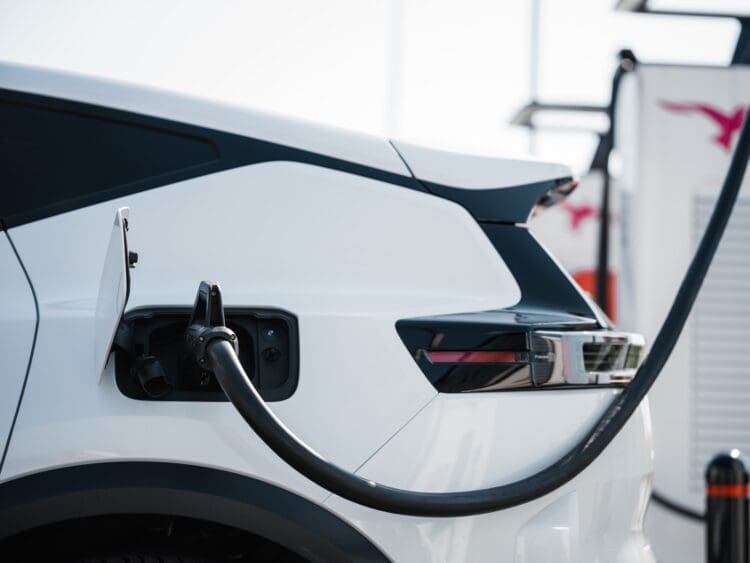
There are abundant career opportunities for those who want to be involved in maintenance, electrical installation, technical support, and more.
If you live in the Reading area, read on to see how to get started in this growing field. Whether you’re a new graduate or a mid-career professional ready to make a change, EV charging may be your next step.
What Goes Into Public EV Charging?
For electric vehicles to have a reliable spot to charge, someone must install these charging units. Beforehand, they must prepare the site area for the unit to have a strong foundation. The next step involves connecting electrical supplies and cabling.
They must also test and commission necessary equipment. After the final installation, there is ongoing maintenance and inspections. Specialists must diagnose electrical faults and replace components as needed. This ongoing inspection ensures the charger remains safe and operational.
Digital platforms monitor charger performance and identify outages remotely. These networks also help to manage access and support payments from drivers.
What happens when a driver has a problem? There’s customer and technical support for them to contact. A support professional can help resolve charging problems and escalate issues to the appropriate team member.
Because of all the elements that go into public charging responsibilities, there are opportunities for people from different technical backgrounds. IT support professionals, trained electricians, and engineers can all work to make this network operational.
How Can I Use Existing Skills to Enter This Field?
You don’t already need experience working on an electric car to get into this growing field. Previous experience with support work, engineering, or certified electrical work already gives you a leg up.
Are you good at troubleshooting and have patience with customers or solving technical systems? If so, the ability to investigate problems systematically can make you essential for EV charger repair, as you can get to the root cause of a problem.
Maybe you’re good at working with software platforms. You’re someone who can conduct remote monitoring and digital troubleshooting.
Of course, electricity is the basis of this network. This field needs professional electricians adept at:
- Installations
- Fault diagnosis
- Electrical testing
- Connections
- Wiring
- Circuits
Health and safety skills are also essential here. These professionals can help make risk assessments and evaluate safe working practices.
Do General Trade and EV Speciality Training Differ?
The basics of general electrical trade education focus on the basics of routing conduits, wire stripping, reading building blueprints, and understanding single-phase versus three-phase power. You may learn how to wire an entire home or facility from a light switch to an industrial HVAC system.
However, your EV specialty training focuses on how to handle advanced load calculations and thermal management to prevent fire hazards. That’s because EV charging is one of the highest continuous electrical loads a building may have to manage.
Your EV training may also focus on smart technology integration and being able to couple stations with solar or battery storage systems. EV chargers must communicate with the vehicle and the grid, so expect to learn about proprietary software setup to configure smart load sharing via the manufacturer apps.
Where Should Reading Locals Look?
For Reading-area readers weighing a move into charging infrastructure, Berks Technical Institute in Wyomissing is one local option to compare for foundational trade and IT training before checking employer-specific EV credentials.
You want to focus on colleges that offer electrical installation training, engineering, and/or apprenticeship programs. Focus on practical trade qualifications, which you may be able to get at community colleges or electrical training centers.
An EV charging trainer provider should offer installation and maintenance courses. Charge point manufacturers and employers should give newcomers product-specific training on how to operate these chargers.
When evaluating your potential educational source, use several criteria such as:
- Industry recognition and course accreditation
- Evaluate the prerequisite requirements, if any.
- Ask about practical workshops and hands-on training.
- Course duration and overall cost
- Delivery format
You also want to ensure the educational facility can connect you with employment. Ask about employer links and apprenticeship opportunities. If there’s a way to contact alumni, try to do so to get their feedback. See if they have career fairs and what the success rate is like.
What Are My Entry Level Opportunities?
If you want to be part of the EV charging boom, several entry-level roles may create a secure career pathway. You may begin as an electrical installation assistant or apprentice. Technicians may handle charge point installation or electrical maintenance.
You may do field service engineering or be a charging network technical support specialist. There’s room for EV network managers and operations leads.
Why Choose This Career Field?
From the United States to Australia to Vietnam, electric chargers are being used worldwide. Those in Australia may benefit from heavy state funding that’s pumping more money into installing hundreds of fast chargers across regional towns and tourist routes.
Driving distances are longer across Australia, so switching to EVs can help drivers save thousands annually on fuel and maintenance costs. Therefore, the rollout in these areas is becoming more of a priority that trained workers can benefit from.
The Australian Renewable Energy Agency (ARENA) has also backed initiatives to help streamline more multi-unit residential charging stations. That means more working opportunities for electrical compliance experts and residential project managers.
Supercharge Your Career As an EV Specialist
As the world continues to battle climate change with more responsible use of and less reliance on fossil fuels, EVs are leading the way. Get involved in this budding field and help create a more sustainable planet by transferring existing skills or training to install, maintain, or provide support for chargers.
Get into operations management or help with regional planning to ensure more remote areas are supplied with chargers soon. From certified electricians to project managers to software support, electric vehicles are helping many in the Reading area and beyond have a reliable career that has plenty of room for growth.


