
Transform Your Vehicle’s Look with Premium Colored PPF
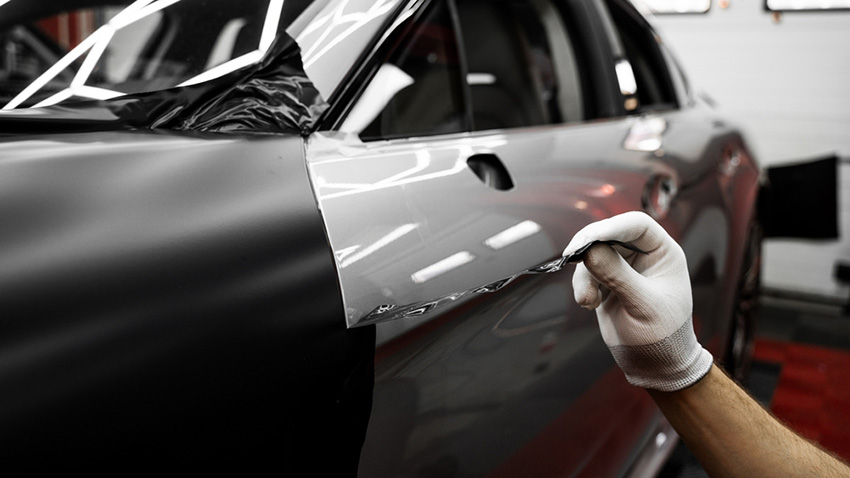
Professional installation plays a crucial role in getting the best results. A qualified colored PPF installer ensures proper adhesion, perfect edge arrangement, and bubble-free application that enhances both protection and appearance. Even the best materials can fail with poor installation.
The right maintenance routine will make your colored PPF last substantially longer. Use PPF-safe cleaners and gentle hand washing to keep the finish fresh while maintaining its protective qualities. Your vehicle will look great and turn heads for years.
There’s another reason colored PPF stands out – it’s completely reversible. Your factory paint remains pristine underneath, which often leads to better resale values. Future buyers love cars that show minimal wear despite years of use, and colored PPF helps achieve this easily.
Protection Capabilities: Colored vs. Clear PPF
Car owners often ask if colored PPF protects their vehicles as well as clear PPF does. Here’s what you need to know about these paint protection options.
Scratch And Chip Resistance
Colored and clear PPF are equally good at protecting your car. These films create a shield against road debris, minor scratches, and rock chips. The secret lies in thermoplastic polyurethane (TPU), which makes them flexible and durable.
The sort of thing I love about modern PPF technology is its self-healing properties. Small scratches and swirl marks simply vanish with heat. Think about this – you spot a scratch on your hood in the morning, park in the sun during lunch, and come back to find a perfect finish that afternoon.
Colored PPF might even be better at hiding imperfections. Your car’s existing minor swirl marks or small scratches become less visible under colored PPF while getting fresh protection.
Uv Protection And Color Retention
UV rays silently damage your car’s paint. Quality PPF blocks about 90-95% of harmful UV rays, which helps your paint last much longer.
Clear PPF keeps your car’s original color intact. Colored PPF faces an extra challenge – keeping its own color bright. Manufacturers have solved this by using advanced UV-resistant top coatings. Today’s premium colored films stay vibrant for years under the sun.
People often ask how long the color lasts. Premium colored PPF products keep their looks for 5-10 years with good care.
Several things determine color longevity:
- Film quality (premium films last longer)
- Geographic location (high-altitude areas have stronger UV)
- Maintenance routine (regular cleaning extends life)
- Professional installation quality
Durability In Different Weather Conditions
Weather tests these protective films constantly. Clear and colored PPF face these challenges:
- Extreme heat – Can weaken adhesive properties and reduce elasticity
- Intense cold – Makes film less flexible and more brittle
- Moisture – Potentially compromises adhesive layers
- Road salt – Corrosive to automotive surfaces
Colored PPF handles tough conditions through its multi-layer design. Quality films combine a clear polyurethane topcoat, embedded color pigments, and reliable adhesive layers. This structure helps colored PPF match clear alternatives in harsh environments.
Drivers in severe climates get extra benefits from colored PPF. The urethane top coat creates a surface that lets snow, slush, and road grime slide off easily. It also fights chemical damage from road salt and de-icing agents, keeping the film clear and glossy.
High altitudes bring another challenge with stronger UV radiation. UV exposure goes up substantially above 6,000 feet. Premium colored PPF with advanced UV protection becomes really valuable for mountain drivers.
Both types last about the same time, with warranties covering 5-10 years. Film thickness plays a big role – premium options resist impacts better. Top-quality colored PPF stays flexible in freezing weather while expanding properly in heat, which prevents cracking or bubbling.
Colored PPF protects just as well as clear film. They both shield your car from daily damage. Your choice comes down to keeping your car’s original look or combining protection with a new color.
Cost Comparison and Value Over Time
Money plays a big role in choosing vehicle protection. The price might shock you at first, but looking at the complete cost picture shows why many drivers opt for color PPF.
The Real Cost Differences
Let’s talk numbers. Clear PPF costs less than colored versions. Adding pigment to the film makes manufacturing more complex. This isn’t a small difference; colored PPF usually costs 10-30% more than clear PPF.
The numbers tell the story. Clear PPF installation costs range from $900 USD for simple front coverage to $8,000+ USD for full-body application on luxury vehicles.
With the colored PPF premium, you can expect to pay:
- Partial application (high-impact areas): $1,500 USD – $3,000 USD
- Full vehicle colored PPF: $6,000 USD – $9,500 USD
“The price difference comes from both the material cost and the additional skill required for perfect application,” explains a professional at ID Protection, a leading colored PPF installer.
Your vehicle’s size, the areas you want covered, and your location affect these prices. Luxury or larger vehicles naturally cost more.
Long-Term Value And Dual-Purpose Benefits
Colored PPF’s real value comes from its dual functionality. You get two services in one: protection and appearance enhancement.
The lifespan makes a difference: colored PPF lasts 7-10 years, about twice as long as vinyl wraps that last 3-5 years. Your investment goes twice as far.
Colored PPF also protects against costly damage. Rock chips without protection might need expensive touch-ups. These small repairs can add up to thousands over time. Cars with PPF often sell for up to 20% more because buyers value pristine original paint.
Insurance companies sometimes offer lower premiums for PPF-protected vehicles because they file fewer claims. You could save hundreds of dollars each year, depending on your policy.
Compared With Repainting Or Wrapping
Repainting brings extra costs beyond its high price tag. You’ll need rental cars during the long process, might face color-matching issues, and collector vehicles could lose value. Quality repainting needs thorough preparation, multiple coats, and lots of curing time.
Vinyl wrapping costs about half as much as colored PPF. However, it doesn’t protect your car and needs replacement more often.
The math becomes clearer after adding everything up. Colored PPF needs more money upfront. Yet, its longer life, protective features, and better resale value make financial sense for people keeping their cars 5+ years.
Installation and Maintenance Considerations
Even the best colored PPF won’t protect your car if someone installs it poorly or you don’t take care of it. You need expert installation and regular maintenance to protect your vehicle. Let me explain what this means.
Why Professional Installation Matters
Professional PPF installation isn’t just a suggestion; it’s vital. The right application needs special tools and precise techniques that DIYers just don’t have. Amateur attempts usually end up with bubbles, uneven edges, or gaps that ruin both looks and protection.
There’s another reason why pros do better work than DIYers – they use computer-cut technology. This innovative tech creates precise fits that follow your vehicle’s curves perfectly. Professional installers know how to achieve continuous adhesion, which stops bubbles and flaws that would make the film less protective.
The installation quality affects how long PPF lasts. Expert technicians make sure the film sticks properly to your car’s surface and prevent stretch marks that reduce its effectiveness. A Consumer Reports survey shows that cars with professionally installed PPF had 85% owner satisfaction, nowhere near the 60% for DIY installations.
“Having installed hundreds of colored PPF projects, I can tell you the difference between professional and amateur work is immediately visible,” says an expert at ID Protection, a leading colored PPF installer.
Maintenance Tips For Colored PPF
Good PPF maintenance can make it last up to a decade. You should wash your car every 1-2 weeks by hand.
For best results:
- Use the two-bucket method: one bucket with soapy water, another with clean water to rinse your wash mitt
- Choose a pH-neutral car shampoo made for PPF surfaces
- Wash with a soft microfiber mitt, never use rough sponges or brushes
- Pat dry with plush microfiber towels or use a touchless air blower
A weekly rinse removes loose dirt and debris between washes. This simple habit stops contaminants from building up on the film.
PPF-safe products help remove stubborn contamination. Use iron removers made for protective films every 3-6 months. Citrus-based removers work better than harsh petroleum solvents for tar.
Your car needs at least 7 days after installation before its first wash. The adhesive must cure properly. Wait for your installer’s approval before using waxes or coatings.
Common Mistakes To Avoid
Automatic car washes are the biggest mistake. The harsh chemicals can damage PPF, even in touchless washes. High-pressure washing works well but needs care, keep the nozzle 12-18 inches from the surface so the film doesn’t lift.
Using wrong cleaning products causes problems too. Ammonia-based chemicals break down the protective layer too soon. Regular waxes and polishes often contain abrasives or petroleum distillates that damage or discolor the film. Only use products made specifically for PPF.
Small problems get expensive fast if you ignore them. Fix scratches, tears, or peeling edges as soon as you spot them. Minor issues quickly become major headaches that need complete replacement instead of simple fixes.
Leave complex repairs to the pros. Call professional installers with special tools and expertise if you notice serious lifting, bubbling, or discoloration. DIY repairs often make things worse and might void your warranty.
The environment affects your PPF too. Park in the shade when possible to reduce UV exposure that yellows the film. Wash your car more often in winter to remove road salt that damages film integrity.
Final Words:
The digital world of automotive protection has moved beyond basic clear films. Colored PPF gives drivers freedom to show their style while getting excellent protection. You don’t have to pick between protecting your investment and customizing its look; colored PPF delivers both brilliantly.
The price difference between clear and colored PPF might pleasantly surprise you. A complete, clear PPF installation ranges from $1,500 USD to $5,000 USD based on coverage area. Colored PPF adds only 15-30% to the base cost. This additional investment provides both protection and customization benefits.
Need a reliable colored PPF installer? Professional installation enhances both appearance and protection quality.
If you plan dramatic color changes, check with your insurance provider first. Some areas require you to report significant color changes to registration authorities, even though the factory paint stays untouched underneath.