

The Connected Future: How Real-Time Systems Are Transforming Tech
Tech continues to accelerate, and people now expect devices to respond the moment they tap, swipe, or speak. Real-time systems operate behind the scenes to enable these instant reactions.
Electric vehicles and digital platforms may appear unrelated, yet both depend on immediate data. These systems rely on live feedback to make decisions as events occur. If they fall behind, performance suffers, and users notice. Real-time technology now shapes how people move, shop, and communicate. It supports much of what feels smooth, natural, and seamless in everyday digital experiences.
This article takes a closer look at how it works and why it matters more than ever.
Real-Time Systems – The Engine Behind Modern Tech
A real-time system collects, processes, and responds to data without delay. It manages events as they happen rather than seconds or minutes later. This ability allows modern tools and machines to keep pace with users.
Instant reactions are essential in electric cars and digital platforms. In both settings, the system must interpret activity and act immediately. The smoother this process is, the better the overall experience becomes.
This can even be seen in online blackjack games. Every card is dealt live, and player actions are processed at the exact moment they occur. If there is a pause or glitch, the game feels unreliable. It is a small example, yet it shows how real-time technology supports fairness and flow in entertainment.
Real-time systems also help reduce lag in high-demand environments. As technology becomes increasingly prevalent in homes, streets, and personal devices, the need for systems that are reliable and up-to-date continues to grow. This allows everything from simple applications to complex vehicle features to feel more natural.
Live Performance in Electric Vehicles
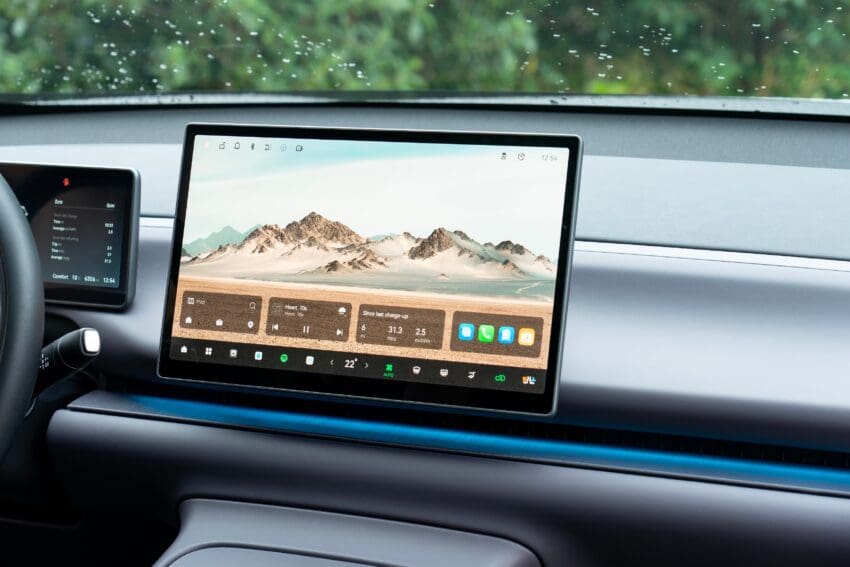
rely on sensors that track speed, traffic, battery levels, and other conditions in real time. The car’s system evaluates these details and reacts immediately to what is happening on the road. This improves both safety and energy efficiency.
For instance, when a driver presses the brakes, the system does not pause to consider the action. It responds at once. It also assists the vehicle when roads become wet or traffic slows. These quick adjustments would not work with slow or delayed systems.
The ability to react instantly also improves control and comfort. Drivers enjoy smoother rides and better battery performance because the system constantly learns and adapts.
In modern electric vehicles, real-time updates are no longer limited to driving. Charging behaviour, map information, and weather details are integrated into a live system that works in sync. This reduces unexpected issues and creates a smarter and more predictable experience.
Real-time monitoring also helps with maintenance. Alerts about tyre pressure, brake wear, or system faults appear at once, so drivers can resolve issues before they become serious. This improves both speed and safety.
Always-On Digital Platforms
The apps that people use each day, from streaming to shopping, also depend on real-time performance. They must respond to actions without hesitation, which helps create smooth and frustration-free experiences.
When someone makes a purchase or joins a video call, the platform must process the action immediately. Any delay can cause errors, lost data, or reduced engagement. An instant response builds trust and keeps processes running efficiently.
This need for rapid platform response mirrors how electric vehicles react to driving conditions. Both rely on systems that constantly observe, learn, and adjust to match user behaviour.
Real-time technology also enables platforms to make more informed background decisions. It powers fraud detection, personalised suggestions, and updated content. Without real-time processing, these features would feel slow or might not function properly.
Modern digital platforms are expected to understand what users need. This understanding depends on real-time tracking of behaviour and preferences. From loading times to live chats, every instant adjustment contributes to an experience that feels personal and efficient.
Shared Need for Speed and Accuracy
Electric vehicles and digital platforms demonstrate that speed alone is insufficient. It must be paired with accuracy. When technology makes decisions as events occur, there is little room for error.
Real-time systems produce precise and reliable choices with every input. This may involve adjusting vehicle settings or confirming an online transaction. In both cases, prompt and accurate actions are crucial.
People expect technology to work without causing delays or worry. Real-time systems quietly deliver that reliability across devices and platforms.
Speed is not helpful without accuracy. This is why modern systems are designed to interpret data both correctly and quickly. This reduces mistakes and increases user confidence in the technology they use every day.
Even background processes rely on real-time support. Updates, backups, and synchronisations occur without users being aware of them. This invisible layer of activity keeps everything stable and dependable.
Building a Smarter, More Connected Future
Technology is becoming more connected every day. Cars, phones, and apps now operate within an extensive network that responds instantly. Real-time performance is at the centre of this connected design.
Electric vehicles and digital platforms clearly reflect this shift. Both depend on immediate feedback to remain aware and make fast decisions. They are no longer just tools. They form part of a wider, continuous system that supports daily life.
This creates a future where decisions are quicker, technology feels more intelligent, and users stay in control. It is already becoming the norm.
Companies across various industries now design their products with connectivity in mind. Smart homes, traffic systems, and health monitors all depend on real-time links to function effectively. This future is built on rapid reactions and thoughtful decisions that operate quietly in the background yet make a significant difference.
Final Thoughts
Instant response is no longer an added benefit. It is an expectation. From the car you drive to the apps you open, real-time systems keep everything running smoothly. They make complicated work feel simple. This is the connected future that has already arrived.