
Energy price cap rise – EVs still the smart choice, with up to 350mpg equivalent
Electric car drivers have “little to fear” from the recent energy price cap increase, as EVs remain far cheaper to run than petrol or diesel vehicles.
January 1 brought a small increase in the Ofgem price cap, pushing up at-home charging costs for millions of motorists.
However, analysis of average monthly running costs show EV owners are still far better off than ICE owners, with some drivers enjoying the equivalent of 350 miles of EV driving for the price of one gallon of petrol.
The latest Ofgem change increased the maximum unit price for electricity by 0.2%, raising the average cost of fully charging a typical 71.1kWh EV from £18.73 to £19.69, according to finance specialist Carmoola.
Based on the UK’s average monthly mileage of 592 miles, this brings the monthly charging cost for an EV to £49.37 on the standard variable tariff (SVT) of 27.69p/kWh. In contrast, a petrol driver covering the same distance spends around £93, with diesel only slightly lower at £89.48.
Over a year, that means EV drivers save £525.84 compared with petrol and £481.32 compared with diesel in fuelling costs.
Carmoola’s calculations are based on a standard variable domestic tariff. However, for drivers using a smart or dynamic EV tariff the savings are even greater.
Even after the price cap rise, home charging specialist Ohme estimates that drivers on a dedicated EV tariff will pay just a quarter of what those on the SVT pay and a sixth of what ICE owners pay.
Based on the average fuel economy of modern petrol cars, and on current petrol prices of around £6.17 per gallon (£1.36 per litre), a typical petrol car will cost £6.17 to cover 40 miles. The same amount spent on the SVT would get an EV 88.8 miles while on a smart energy tariff of 7p/kWh it would allow an EV to travel 352.4 miles.
“The idea of a car doing 350mpg would obviously be fanciful, but that could be the reality when charging your EV on a smart energy tariff at home with Ohme,” said Ohme CEO David Watson.
“Charging at home will always be the most affordable place for EV drivers to charge their cars even with this latest rise and changing to a smart electricity tariff will enable drivers to maximise those savings still further.”

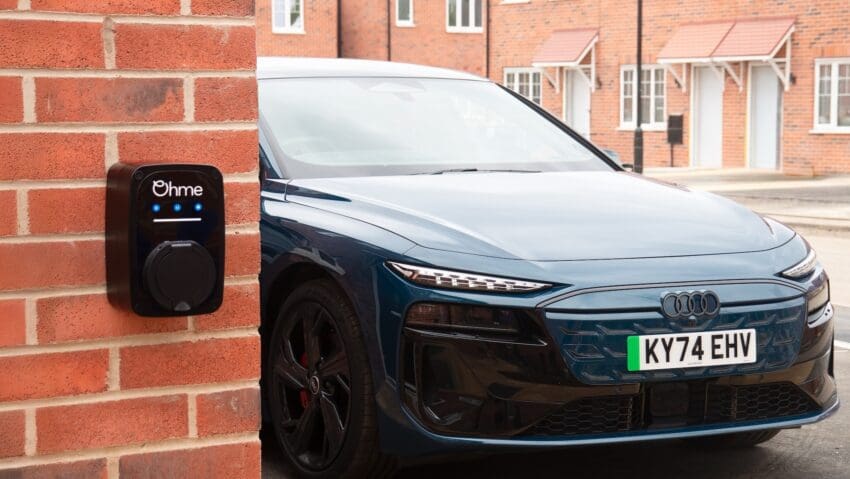
Using the example of an Audi A6 Avant e-tron with a 75.8kWh battery, Ohme estimates a full 0-100% charge on a dynamic tariff such as Intelligent Octopus Go could cost just £5.31 for its 361 mile WLTP claimed range. By comparison, the same charge on the new SVT rate will cost £20.99.
Aidan Rushby, CEO and founder of Carmoola said that even on the SVT, the financial benefits of running an EV were clear. He noted: “Every time Ofgem updates the price cap, there’s a concern that rising electricity prices will make EV ownership more complicated – but this latest change doesn’t alter the picture for people who already drive electric, or those who have been seriously considering the switch. The updated cap still leaves EV fueling costs far lower than petrol or diesel, and that remains a reassuring constant for drivers looking at long-term affordability.
“Even with the slight rise in electricity costs, monthly charging expenses remain dramatically cheaper than filling up a petrol or diesel car.
“For existing EV owners, this latest cap brings no cause for concern, and for those weighing up a transition they can already afford, it’s another sign that charging an electric car remains financially secure over the long term.”