
8 Electric Mobility Ventures to Start in 2026
The electric mobility world is expanding fast, and 2026 is shaping up to be a year full of practical openings for founders.
There is strong demand for home charging, high speed public charging, cleaner delivery options, smarter batteries, and new services that help fleets move away from combustion engines.
If you want to join the wave without getting lost in technical jargon, here are eight ventures worth considering, along with the skills, regulatory notes, and early revenue ideas that make them real opportunities instead of wishful thinking.
1. Home EV Charger Installation Services
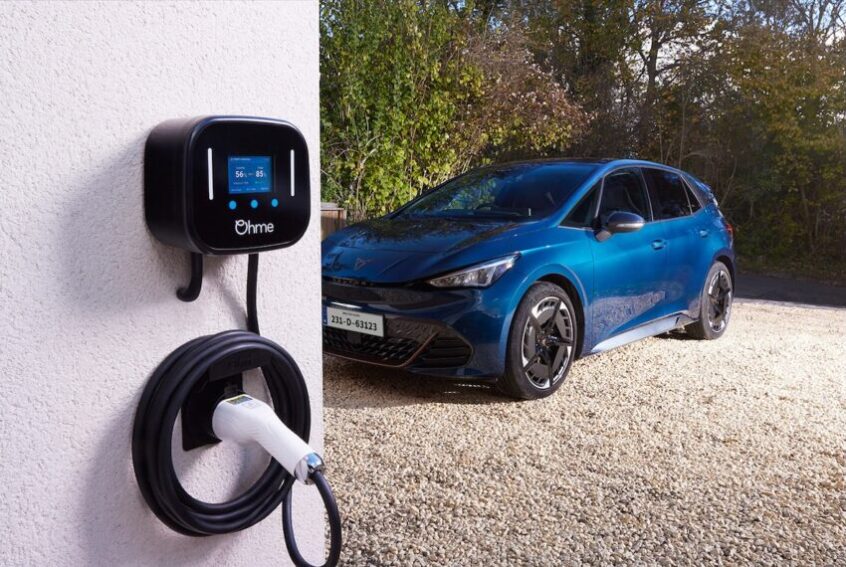
Home charging remains one of the biggest gaps in the UK. Many drivers still want a simple, trustworthy installer who can explain the difference between a tethered unit and a compact wall pod, plus help them navigate local electrical rules.
A strong opportunity lies in building a mobile team capable of handling surveys, installs, and aftercare. Early revenue comes from fixed price installation packages, while upsells include load balancing, solar integration, and maintenance subscriptions.
2. Rapid Charging Hubs
Urban areas and commuter corridors need reliable rapid charging. There is real movement in the space, and you can see it in the industry updates appearing everywhere. For example, reporting by The Guardian shows steady expansion of public charging, and multi energy hubs are also attracting investment for 2026.
Starting from scratch isn’t always necessary, either. You could instead set out to observe market activity in the landscape of business sales in the UK where many small infrastructure companies appear as potential acquisition targets. Buying into an established operator in this space gives you a foot in the door in a fast-growing segment, and lets you apply your expertise to the process of taking an existing EV venture to the next level.
What founders typically focus on here:
- Site selection
- Power availability
- Traffic patterns
3. E Cargo Bike Delivery Networks
Cities keep nudging businesses toward greener deliveries. E cargo bikes solve a real problem in dense areas where vans waste time in traffic and struggle with parking.When developing marketing strategies for an E cargo bike delivery network, digital presence should not be underestimated. Founders can get high authority backlinks to create trust with clients and strengthen their online search rankings.
A venture here can start small with a handful of riders, a simple routing app, and partnerships with bakeries, florists, and local retailers. Skills needed include local logistics planning, basic fleet maintenance, and customer service.
A useful inspiration point is the new wave of cycling tech. CES coverage from T3 shows how self powering systems and range extension innovations are reshaping what electric bikes can do in daily operations.
4. Battery Diagnostics and Health Reports
EV batteries age in uneven ways. Drivers, dealers, and fleet managers all want to know the real health of a pack before buying, selling, or repurposing an EV. A battery diagnostics venture can rely on portable testing hardware paired with a subscription platform. Early revenue comes from one off inspections for used car buyers, while longer term income can flow from fleet contracts. Regulatory considerations mainly involve electrical safety standards and proper handling of high voltage systems.
5. Mobile Charging Services
Drivers who cannot always access a plug may be willing to pay for a mobile top up service. This model can be built around portable battery trailers or vans with built in power systems. A lightweight version of the business could start with event support, roadside rescue, and workplace top up bookings. Long-term expansion may involve connecting with energy suppliers or fleet management platforms.
6. E Bike Retail With Service Packages
Electric bikes have become mainstream commuter tools. Offering retail with strong aftercare is one of the most accessible ways to enter the electric mobility market. Success usually comes from combining sales with on site repairs, battery replacement programs, and optional insurance partnerships. Choosing the right brands, training staff on diagnostics, and developing a simple service club model can help create recurring revenue instead of one off purchases.
7. Fleet Transition Consulting
Companies with vans, sales cars, or field engineers know they must electrify, but most do not know where to begin. A consulting venture can guide operators through vehicle selection, charging placement, total cost of ownership calculations, and installation planning. You do not need to be an engineer; many founders in this niche come from logistics, procurement, or operations backgrounds. The main value is clear guidance and realistic roadmapping that saves clients money.
8. Second Life Battery Repurposing
As EV batteries fall below automotive grade, they often still carry enough power for storage systems. Repurposing these packs for microgrids, home storage units, or backup systems is an emerging market. Likewise, practical applications are opening up for small refurbishers. The core skills involve safe disassembly, cell grading, thermal management, and compliance with fire safety rules.
Final Thoughts
Electric mobility in 2026 is characterised by projects that are small enough to start yet big enough to scale.
Whether you prefer hands on work like installations and repairs, or strategy oriented roles like consulting and fleet support, there is room to build something relevant.
If you follow industry updates, keep skills practical, and track how other founders position themselves, you can carve out a niche with real staying power.