
Charging behaviour ‘has the biggest impact on EV battery life’
High-power charging has the single biggest effect on EV battery degradation, according to a new study.
Research by connected vehicle specialist Geotab shows that EV batteries continue to perform strongly throughout their lifespan but that average degradation rates have actually increased due to wider reliance on ultra-fast charging.
In its updated EV battery health study, the company analysed real-world data from more than 22,700 electric vehicles across 21 makes and models over several years. It found an average annual battery degradation rate of 2.3%, compared to 1.8% in its 2024 findings.
Geotab’s analysts put the sharper drop in battery health down to the changing way EVs are being used, most notably a growing reliance on high-power DC fast charging.
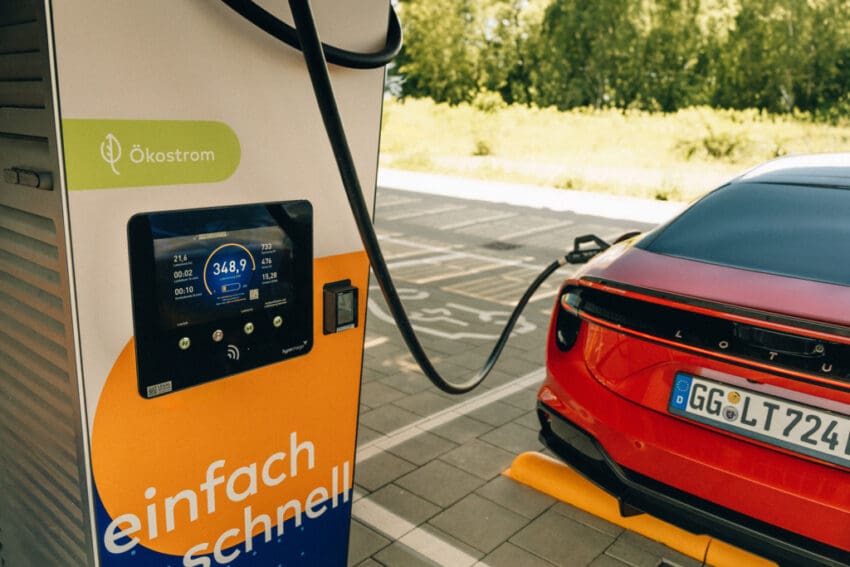
Its data showed that vehicles that relied heavily on DC fast charging above 100kW experienced degradation at twice the rate of those using lower-powered chargers. Cars depending on ultra-rapid chargers saw average degradation of 3% per year, compared with around 1.5% for vehicles mostly using AC or lower-powered DC chargers.
Other factors, such as climate, showed a smaller independent effect. Vehicles operating in hotter regions degraded around 0.4% faster per year than those in mild climates. Higher-use vehicles also showed slightly faster degradation, increasing by around 0.8% per year compared to the lowest-use group.

However, the study also suggested that strict charging habits had a less-than-expected impact on long-term battery life. It found that, contrary to previous belief, degradation accelerates only when vehicles spend more than 80% of their time at very high or very low states of charge.
“EV battery health remains strong, even as vehicles are charged faster and deployed more intensively,” said Charlotte Argue, senior manager for sustainable mobility at Geotab.
“Our latest data shows that batteries are still lasting well beyond the replacement cycles most fleets plan for. What has changed is that charging behaviour now plays a much bigger role in how quickly batteries age, giving operators an opportunity to manage long-term risk through smart charging strategies.”
Separate studies have suggested that battery degradation rates are slowing with every new generation of vehicle and are, in some cases as low as 1% per year.
In July last year, Germany’s motoring organisation ADAC revealed that a Volkswagen ID.3 had lost just 9% of its usable capacity over four years and almost 100,000 miles of driving. More impressively, it had lost just eight miles of usable range in that time thanks to improved battery management software rolled out via over-the-air updates.