Chancellor planning charging tax cuts to boost EV appeal
The UK Treasury is considering cutting VAT on public charging amid fears that recently announced taxes on EVs could harm demand.
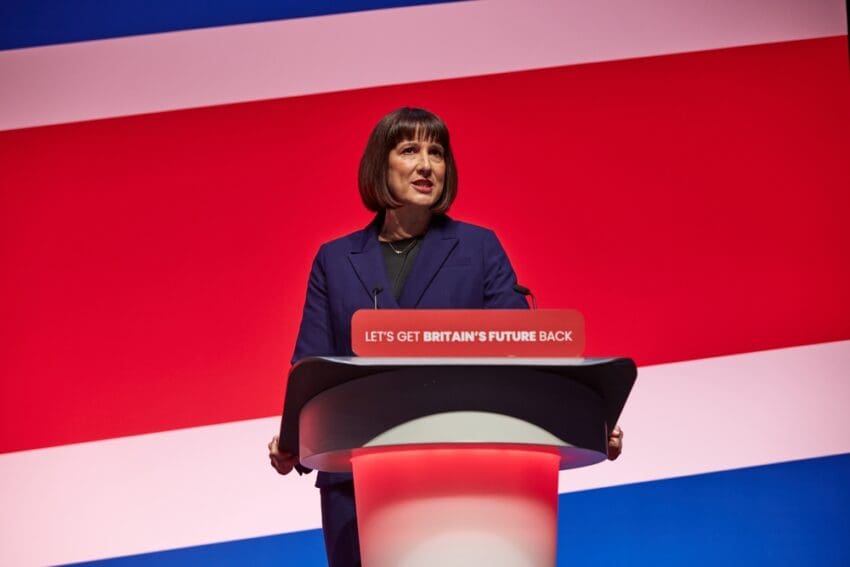
Chancellor Rachel Reeves is reportedly looking at reducing VAT and network charges to reduce on-the-road costs for EV owners.
The move is being considered after official forecasts predicted that the planned pay-per-mile tax on EVs would have a significant impact on demand – reducing new EV sales by up to 400,000 between 2026 and 2030.
The charging industry has long campaigned to bring VAT on public charging in line with that on domestic rates, arguing that the difference punishes drivers who can’t charge at home or regularly have to charge in public. Currently, electricity at public chargers is subject to 20% VAT, while domestic energy is subject to 5%.
According to the Telegraph, there are growing fears in the Treasury that the 3p-per-mile tax due to hit EVs from 2028 will “kill EV demand”, and it has opened discussions with industry experts to look at how to counteract this.
The paper quoted a Whitehall source who said the Treasury had accepted that tax cuts were needed to “cushion the blow” from the per-mile tax.

The new 3p-per-mile levy is expected to cost the average EV driver an additional £255 per year. It is being introduced to address the decline in fuel duty revenue as more drivers switch from petrol to diesel. Its impact is expected to significantly soften the effect of pro-EV incentives such as the Electric Car Grant, which offers up to £3,750 off the price of new EVs.
Alongside higher VAT, chargepoint operators (CPOs) blame uncapped standing charges for high charging costs. ChargeUK, which represents the country’s CPOs, reported in September that standing charges for public network operators had jumped by up to 462% in just 12 months and accounted for 70% of their total energy costs.
While drivers with a home charger can pay as little as 7p/kWh for energy, the estimated 40% of households without off-street parking face an average cost of 54p/kWh for public charging, according to Zapmap data.
A Government spokesman told the Telegraph: “The Government is boosting the EV transition by saving drivers up to £3,750 off a new car, with almost 50,000 people benefitting already, and investing over £7.5bn into the UK electric vehicle sector.
“We’re also reviewing the cost of public EV charging, which will look at the impact of energy prices, wider cost contributors and options for lowering these costs for consumers.”