
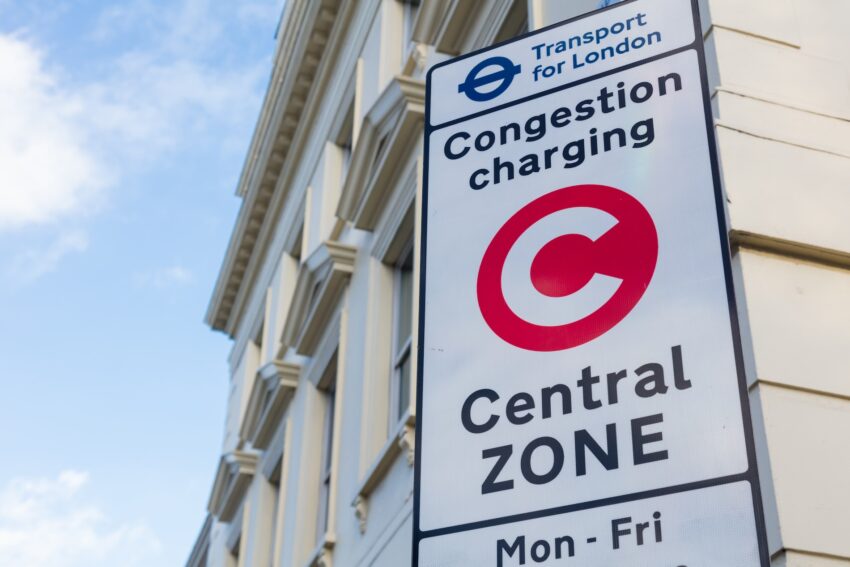
EVs no longer exempt from London Congestion Charge
Electric vehicles (EVs) are no longer exempt from paying the London Congestion Charge as of January 2, 2026.
The Congestion Charge was introduced in 2003 to reduce pollution and traffic, covering an area of central London from 7am to 6pm on weekdays, and between midday and 6pm on weekends and bank holidays.
Initially, EVs were not required to pay the Congestion Charge. However, in November last year, London Mayor Sadiq Khan announced that electric vehicles would no longer be exempt as his administration seeks to further reduce traffic due to the rising number of EVs on the capital’s roads. Without the recent changes, City Hall claims that an additional 2,000 vehicles per day would enter the congestion zone.

Congestion Charge pricing also went up on January 2 from £15 to £18, its first hike since 2020. However, EVs are eligible for a 25% discount if registered for Transport for London’s Auto Pay system, which immediately deducts the fee from the owner’s account. This reduces the Congestion Charge cost to £13.50 per day, or £94.50 each week.
In March 2027, the London residents’ 90% Congestion Charge discount will be made available exclusively to EV owners, while the existing 25% reduction for non-residents will be slashed to 12.5% in 2030.
The decision to introduce the Congestion Charge for EVs has divided the UK’s EV landscape, with charge point operator (CPO) Be.EV CEO, Asif Ghafoor, blasting Mayor Khan for not offering EV owners “any meaningful incentives” in return for their payment.

“The Mayor’s stated aim is clean air, yet the reality is a growing list of disincentives for driving cleaner vehicles without any meaningful incentives in return,” he said. “If the Government wants real progress, both regional and national policy need to align clean air ambitions with practical incentives.
“Making electric driving more accessible – not more expensive – would be a simple and credible place to start. Strong policy signals, from purchasing to charging to parking, matter. Right now, London is sending entirely the wrong ones.”
Despite questioning Khan’s decision, Car finance lender Carmoola expressed a more optimistic outlook, given that a total of 381,000 new EVs hit UK roads last year, more than in any other European country. November 2025 witnessed the sale of used EVs grow by 44.4% in the UK, with electric outselling any other powertrain.

Carmoola CEO and founder, Aidan Rushby, added: “London scrapping the Congestion Charge exemption for electric cars will no doubt raise eyebrows, but it doesn’t change the bigger picture. EVs are here to stay, and getting behind the wheel of an electric car is more affordable than ever, driven by a competitive used-car market and lower running costs than petrol or diesel vehicles.
“Even with modest increases in charging costs and new fees coming into play, depreciation is creating major opportunities for drivers considering a used EV.
“Add to that the continued 50% Congestion Charge discount for vehicles registered with Auto Pay, and the shake-up is far less daunting for EV drivers than it might first appear. EVs are now so firmly part of everyday life that it’s no surprise they’re being brought in line with other vehicles on congestion charges – and for many, the used market remains the smartest and most cost-effective way to go electric.”