Good Energy launches new 6.6p/kWh charging tariff
Green energy supplier Good Energy has launched a new overnight EV tariff that is among the cheapest in the UK.
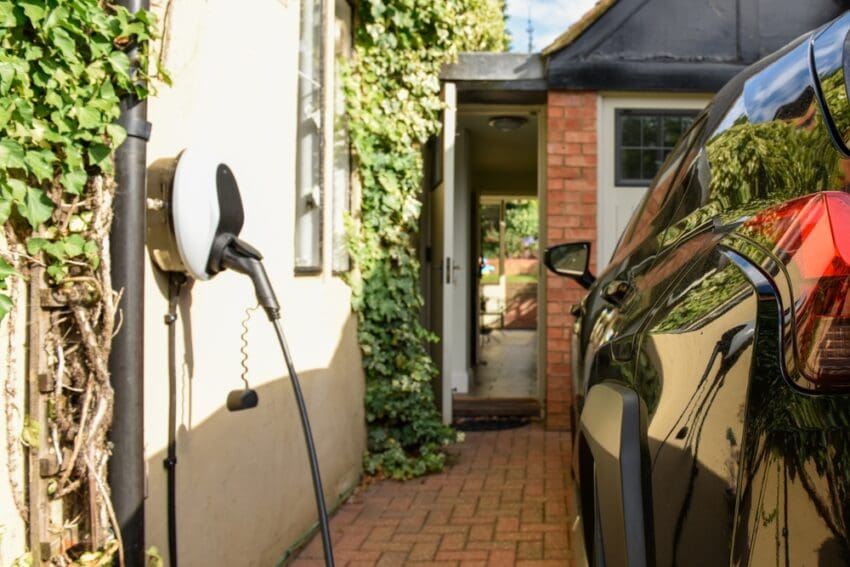
The new time-of-use tariff offers EV drivers an overnight rate of just 6.6p/kWh between midnight and 5am. That will allow owners to fully charge a smaller EV like a Renault 5 for as little as £3.43, while a larger model like the 380-mile Kia EV4 would cost £5.37.
The new deal makes Good Energy among the cheapest EV charging providers in the country and comes as it revealed research showing 30% of EV owners still aren’t taking advantage of favourable home tariffs.
Missed savings
Its poll of EV motorists found that while half of all drivers (48%) said lower running costs were among their motivations for choosing an EV, only 71% said they charged at home on a dedicated tariff.
Charging at home saves an EV driver hundreds of pounds a year over a petrol or diesel car, but charger provider Easee recently estimated that a driver charging 40kWh per week on a dedicated EV tariff can save up to £372 a year compared with a driver on a standard variable tariff.
Cleaning up renewable confusion
Half of drivers surveyed by Good Energy also said that reducing their carbon footprint was among the reasons they chose an electric vehicle. However, Good Energy’s research suggests that not all “100% renewable” energy supplies are as clean as they claim.
Good Energy’s analysis of the Matched Clean Power Index – which allows consumers to see exactly how much of their electricity comes from renewable sources on an hour-by-hour basis – found that of 11 electricity providers offering specialist EV tariffs, seven provide renewable electricity 33% of the time or less. According to the Index, some providers of EV tariffs provide renewable electricity 0% of the time.
Energy providers get around this by using Renewable Energy Guarantees of Origin (REGOs), which are often traded via a secondary market. Similar to car makers using carbon trading to hit emissions targets, these mean suppliers can source energy from fossil fuel sources, and then buy certificates from green energy generators to label a tariff as “100% renewable”.

Current regulation only mandates suppliers to match the total volume of REGOs to the total annual electricity consumption, which means consumers may be using fossil-fuel electricity at lower renewable production times, even though they’re told they’re on a “100% renewable” tariff.
Good Energy says that the electricity provided with its new tariff is 100% sourced from renewable energy generators.
Donna Slater, head of propositions and pricing at Good Energy, said: “Electric vehicle drivers are motivated by environmental concerns and financial savings, but many of them are missing out on both. There is a large disparity between the best and worst rates on the market if they want to capture the benefits of charging their car off-peak.
“There is an even bigger disparity between the providers genuinely buying renewable electricity from generators, and those relying on a system using certificates and middlemen that can enable energy suppliers to buy most of your power from fossil fuels and sell it to you as ‘100 per cent renewable’.
“Our new EV tariff is for motorists who want peace of mind that their electricity is as renewable as it can be under the available infrastructure, and be able to charge their car overnight as cost-effectively as possible.”