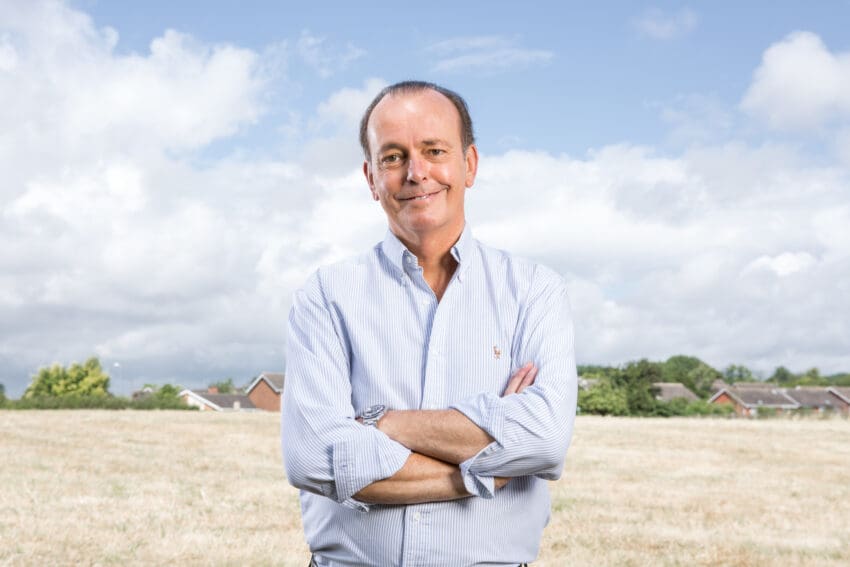
Quentin Willson: the man who saw the electric future before the rest of us, dies aged 68
Quentin Willson, one of Britain’s most distinctive motoring voices and an early champion of electric vehicles, has died aged 68 after a short illness.
Best known to millions as a presenter of Top Gear through the 1990s, Willson’s sharp intellect, wry delivery and encyclopaedic automotive knowledge made him a familiar Sunday-night fixture. But it was his work beyond the television studio that truly defined him — a tireless campaigner for fair fuel pricing, cleaner transport, and above all, the electrification of Britain’s roads.
Long before EVs were fashionable — or even viable — Willson recognised their potential. In 1996, while the rest of the motoring world was still dismissive, he became one of the first journalists to drive General Motors’ pioneering EV1. It was an experience that shaped his outlook for decades to come.
Over the years, he owned a string of electric models — from Nissan Leafs and Renault Zoes to Vauxhall Amperas and even a rare 1970s Enfield Electric — clocking up more than 70,000 miles in battery-only vehicles. He gave evidence to government committees, lobbied ministers for better charging infrastructure, and consistently challenged outdated perceptions of EVs.
In 2020, GreenFleet recognised his contribution by ranking him 18th in its list of the Top 100 EV influencers — a rare accolade for a journalist whose credibility was built on both advocacy and lived experience.
Though he first rose to fame alongside Jeremy Clarkson and Tiff Needell on Top Gear (1991–2001), Willson’s career spanned far beyond the BBC. He fronted Fifth Gear on Channel 5, The Car’s the Star, and The Classic Car Show, while his newspaper columns — often in The Times and The Daily Telegraph — combined sharp consumer insight with an unshakeable belief in fairness for Britain’s drivers.
As founder of the FairFuelUK campaign, he fought to keep motoring affordable during an era of escalating fuel duty. Yet even as he defended combustion drivers’ wallets, he was already steering the national conversation toward a more sustainable future.
Following news of his death, tributes poured in from across the automotive community. AA President Edmund King described him as “a brilliant TV presenter, amazing campaigner for both fair fuel prices and the EV transition,” while former Top Gear co-host James May called him “a great bloke” and “a true enthusiast.”
In a statement, Willson’s family said he had been diagnosed with lung cancer and died peacefully on Saturday. “Quentin brought the joy of motoring, from combustion to electric, into our living rooms,” they said. “The void he has left can never be filled. His knowledge was not just learned but lived; a library of experience now beyond our reach.”
Quentin Willson’s influence on Britain’s shift toward electric mobility cannot be overstated. While others mocked EVs as a passing fad, he quietly demonstrated their practicality — driving, charging, and writing about them long before the rest of us caught up.
In many ways, his life charted the evolution of modern motoring: from petrol-powered exuberance to the thoughtful, efficient electric age. And though the man is gone, his work — and the cleaner, quieter roads he helped to imagine — remain his enduring legacy.